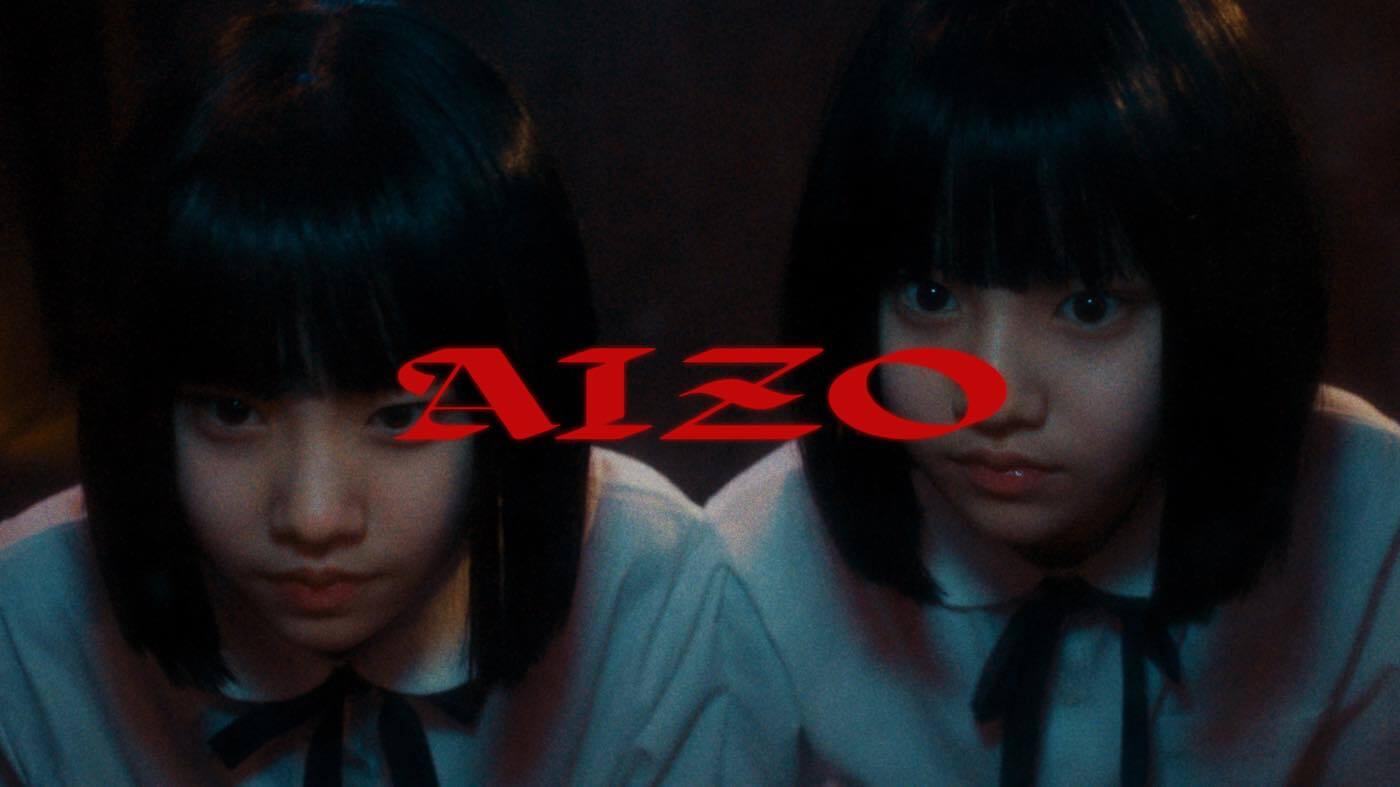
King Gnu’s AIZO (愛憎) hit the world the moment Jujutsu Kaisen Season 3 dropped on Crunchyroll in January 2026 — and within hours, fans were already obsessing over its meaning. This article breaks down exactly what AIZO is saying, why the title is deeper than it looks, and how Daiki Tsuneta’s lyrics connect to the chaos of the Culling Game arc.
- What Does “AIZO” (愛憎) Actually Mean?
- AIZO Basic Info — Song Details at a Glance
- The Opening Video — Classic Paintings Hidden Inside
- Lyrics Analysis: “Dai-Tokyo Kyousou” — The City as a Character
- Lyrics Analysis: “Mikansei na watashi” — The Unfinished Self
- Lyrics Analysis: “Kamase inu” — The Sacrificial Pawn
- How AIZO Connects to Jujutsu Kaisen Season 3
- AIZO vs. Specialz — How Do They Compare?
- Final Thoughts — Why AIZO Works So Well
What Does “AIZO” (愛憎) Actually Mean?
The title is the key to everything. AIZO (愛憎) is a Japanese compound word built from two kanji: 愛 (ai) meaning “love” and 憎 (zō) meaning “hate.” Together, they describe the experience of holding both emotions at the same time — not love turning into hate, but love and hate existing simultaneously, tangled and inseparable.
This is not a breakup song. It is a song about the condition of being human in a world that constantly demands you choose a side — and refusing to. The chorus hammers this home with its four English commands: LUV ME, HATE ME, LUV ME, KILL ME. Four emotional extremes, cycling relentlessly, none of them canceling the others out.
AIZO Basic Info — Song Details at a Glance
Song title: AIZO (愛憎)
Artist: King Gnu
Written & composed by: Daiki Tsuneta (常田大希)
Released: February 11, 2026
Tie-in: Jujutsu Kaisen Season 3 — Shimetsu Kaiyuu arc opening theme
Position in the series: King Gnu’s second JJK opening, following “Specialz” from Season 2
The Opening Video — Classic Paintings Hidden Inside
Before diving into the lyrics, it is worth knowing what is happening visually in the AIZO opening, because it adds another layer to the meaning. The animation is packed with direct homages to famous Western artworks — a deliberate contrast between old-world European art and the visceral, modern chaos of the Culling Game.
Paintings referenced in the opening include Peter Paul Rubens’ Two Sleeping Children (c. 1612–13), Claude Monet’s Camille Monet and a Child in the Artist’s Garden in Argenteuil (1875), Käthe Kollwitz’s Mother with a Child in Her Arms (1916), Gustav Klimt’s The Kiss (c. 1907–08), and John Everett Millais’ Ophelia. Almost all of them center on themes of love, tenderness, motherhood — and death. That is not a coincidence. The visual language reinforces exactly what the lyrics are saying: that love and destruction are never far apart.
Lyrics Analysis: “Dai-Tokyo Kyousou” — The City as a Character
One of the most striking lines in AIZO is “Dai-Tokyo kyousou utatte” — roughly, “singing the mad frenzy of Greater Tokyo.” Daiki Tsuneta returns here to a theme he has visited before: Tokyo not as a backdrop, but as a living force that warps the people inside it.
The verse expands on this directly: “In today’s Tokyo, you can’t stay sane / Let sweet words make you ache / Make you believe right now is the best.” The city is something that seduces, destabilizes, and exhausts — and the only honest response is to be “soaked to the bone in the shame of living” (ikihaji ni zubunure de). Tsuneta is not romanticizing Tokyo. He is describing it as a place that makes the love-hate cycle inescapable.
Lyrics Analysis: “Mikansei na watashi” — The Unfinished Self
The bridge section shifts the focus inward: “Doramachikku ni oborete / Mikansei na watashi wo mitomete” — “Drowning in the dramatic / Accepting my unfinished self.” This is the emotional heart of the song.
What makes this line land so hard is the word mikansei (未完成) — literally “incomplete” or “unfinished.” Tsuneta is not saying the narrator has failed. He is saying that being unfinished is simply the human condition. You do not wait until you are whole to live. You accept the mess, the contradictions, the aizo — and you survive on that stage anyway (“kamawanai kono butai ikinuite”).
For JJK fans, this resonates deeply with Yuji Itadori’s arc. He is a character who has no clean resolution — no simple heroism, no untangled identity — and AIZO does not promise him one. It just tells him to keep going.
Lyrics Analysis: “Kamase inu” — The Sacrificial Pawn
One of the most pointed phrases in the song is “kamase inu no hai tenshon” — “the high tension of a sacrificial pawn / a dog set up to take the hit.” A kamase inu (噛ませ犬) in Japanese refers to someone used as a stepping stone — a fighter put in place to lose, to make someone else look stronger.
The line that follows is the defiant turn: “Yarare ppanashi ja otonashiku wa narenai” — “If I’m always the one getting beaten down, I can’t just stay quiet like an adult.” It is a refusal. And in the context of JJK Season 3, where character after character is used and discarded by the structure of the Culling Game, it hits with real weight.
How AIZO Connects to Jujutsu Kaisen Season 3
King Gnu wrote both of JJK’s main opening themes — “Specialz” for Season 2 and AIZO for Season 3 — and the thematic progression between them is worth noting. “Specialz” was about obsession and singular devotion. AIZO is messier: it is about contradiction, survival, and refusing to be resolved.
The Shimetsu Kaiyuu (死滅回游 / Culling Game) arc is built around exactly this kind of moral and emotional chaos. Characters are forced into systems designed to strip them of agency, identity, and the luxury of simple feelings. AIZO does not offer a clean emotional frame for that experience. Instead, it mirrors it — love and hate spinning together, no winner, no resolution, just the insistence on continuing.
AIZO vs. Specialz — How Do They Compare?
Fans coming from “Specialz” will notice immediately that AIZO is a different kind of song. “Specialz” had a kind of cold, obsessive focus — one emotion amplified to an extreme. AIZO is more fractured, more frenetic. The structure itself reflects its title: the song does not settle into one mood. It spirals.
Musically, AIZO leans harder into King Gnu’s theatrical side — the call-and-response English hooks, the shifting dynamics, the way the chorus feels simultaneously triumphant and desperate. If “Specialz” was a knife, AIZO is closer to a whirlpool.

Final Thoughts — Why AIZO Works So Well
The genius of AIZO is that it does not resolve the contradiction in its title. Most songs about love-and-hate end by choosing one. AIZO refuses. It ends where it started — LUV ME, HATE ME, LUV ME, KILL ME — as if to say that this is not a problem to be solved, but a condition to be lived with.
For a series like Jujutsu Kaisen, which has never been interested in clean morality or easy catharsis, it is a perfect fit. And for anyone who has ever felt trapped between feelings that should cancel each other out but don’t — it is a song that simply understands.
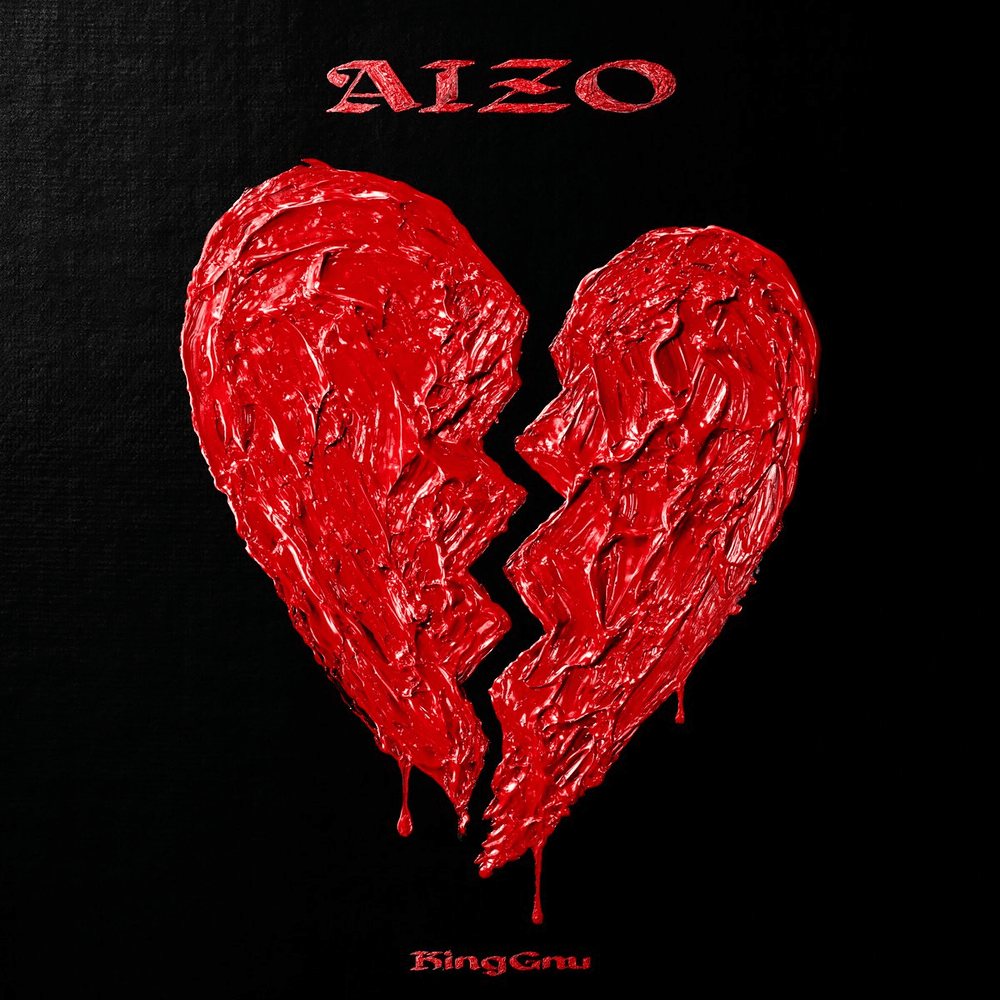
eeb78af7029205bf5a2eabf4f751113a.1000x1000x1.png (1000×1000)




コメント